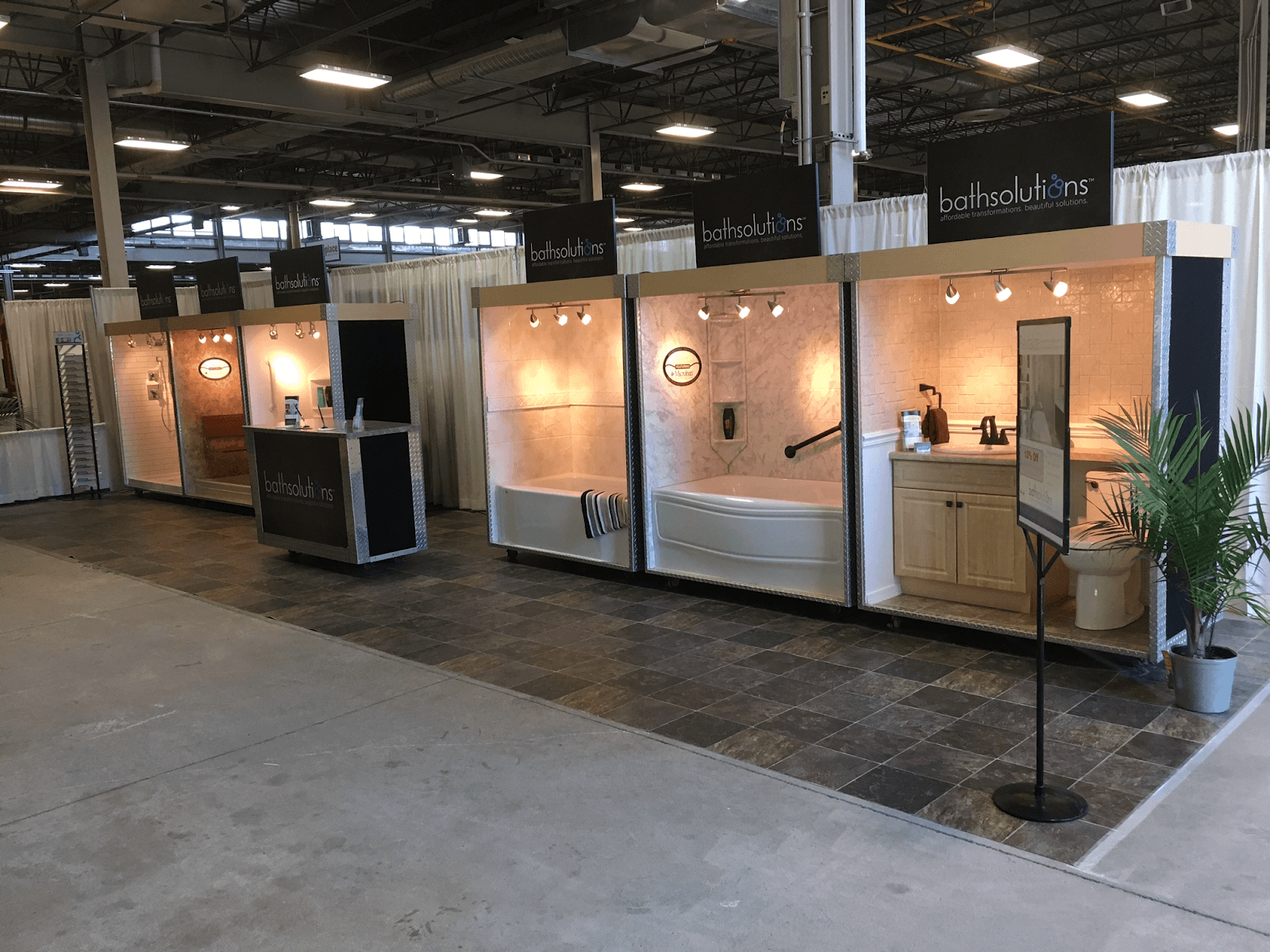
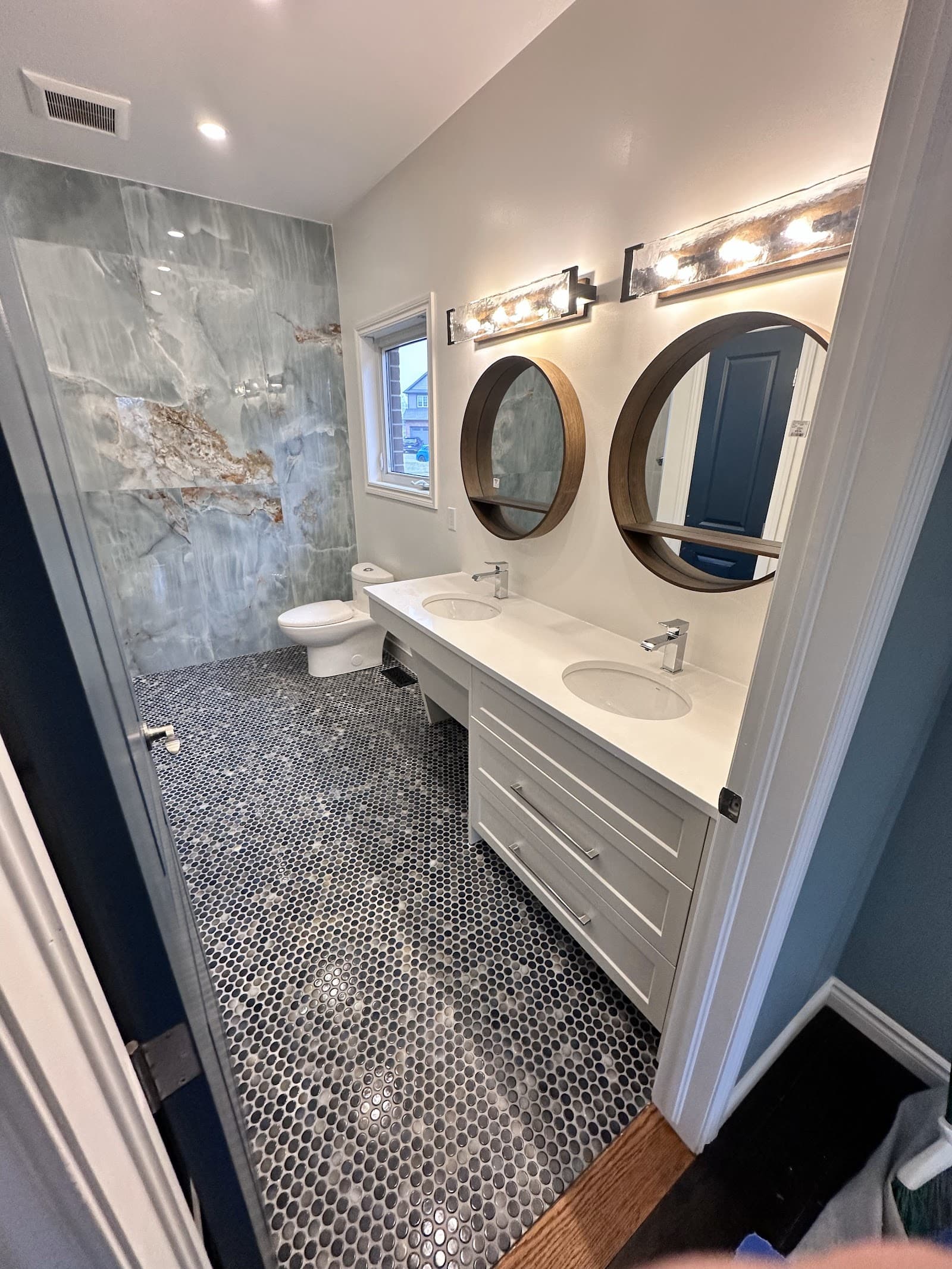
Many older homes in Old South, Wortley Village and Old East Village have their only full bathroom upstairs, in a compact alcove built for a standard tub. A walk-in bathtub is taller and holds far more water, so the installer should check that the floor joists can take the weight when it's full and that it will actually fit through the door and up the stairs. In newer north and southwest subdivisions, main-floor bathrooms and larger ensuites can make placement easier, but check the hot water tank either way.
Hot water is where many projects fail. A deep tub can draw more hot water than an older tank holds, so the bath runs lukewarm. Ask the installer how many litres the tub holds, compare that with the tank and ask whether a larger tank or a tankless heater is needed. Ask too how long the tub takes to fill and drain, since your parent sits inside, door closed, while it does both.
For many seniors, a walk-in shower with a seat is honestly the better buy. Waiting in a cooling tub while it drains is unpleasant, and the door seal adds upkeep. A walk-in tub makes most sense when the soak itself matters, for arthritis pain or simply as a cherished routine. Look for an inward-opening or outward-opening door that suits the room, a seat at chair height, an anti-scald valve, and built-in grab bars.
After installation, the door seal is the part that needs most attention. Ask how often it should be checked, whether replacement seals are stocked and who services the tub if it leaks. Jetted models need the lines flushed. As installed home work, a tub may qualify for the Home Accessibility Tax Credit. People searching for walk-in tubs Canada wide often find national brands, so confirm a local installer handles service.