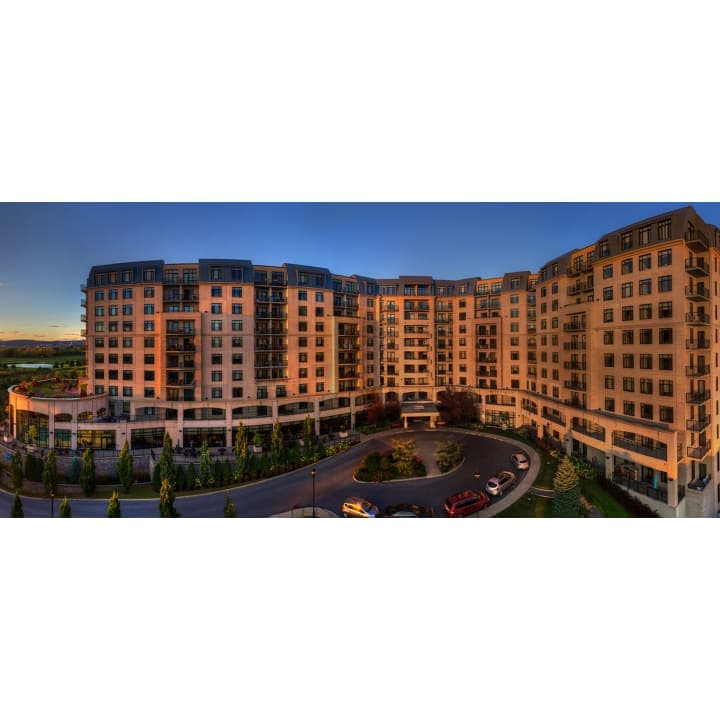
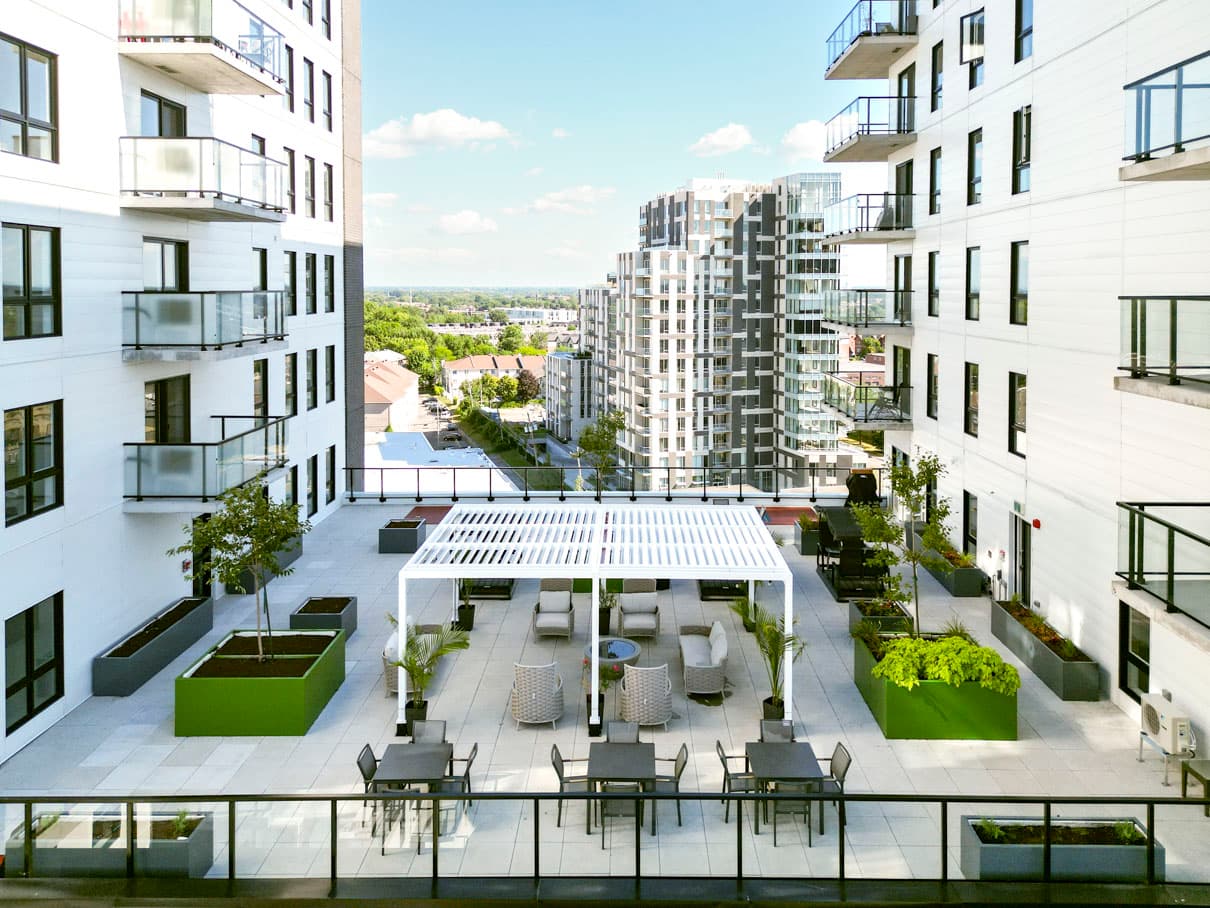
Start with what your parent actually needs today, not what they might need in a few years. Independent living suits an active senior who wants meals, housekeeping, and social life handled, but doesn't need hands-on daily care. If your parent already needs help with bathing, medications, or mobility, our advisors usually steer families toward Assisted Living or a full-service Retirement Home instead, so you're not paying twice or moving twice within a year. It's the close call families ask about most, and moving to a residence with room to add care later beats a second move down the road.
In Quebec, private seniors' residences (résidences privées pour aînés, RPA) are certified by the provincial health ministry, and your local CISSS or CIUSSS coordinates home support, subsidized places, and public long-term care (CHSLD). If your parent wants to stay put a while longer, Home Care arranged through the CISSS/CIUSSS is worth pricing out before you commit to a move. In our experience, though, once meals and isolation become the daily struggle, a residence solves more than piecemeal home visits do.
Location matters more here than families expect. Winters are long, so a residence near a Metro station, sheltered walkways, or steps from a pharmacy and grocery keeps a parent independent through February. The west end and West Island put you close to the MUHC, while east-end and central neighbourhoods sit near the CHUM and Maisonneuve-Rosemont. If your family gathers on the South Shore or in Laval, look there too. Being near visitors beats a fancier building nobody can reach easily.
Prioritize in this order: care level first, then location near family and a hospital, then budget, then the extras. Popular French-speaking residences and well-located West Island buildings can have waitlists, so tour early and ask to be added even if you're not ready. The trade-off with our advice to plan ahead is that it takes patience, but it spares you a rushed decision during a crisis.